
APD & Sound Sensitivity Experts for Maryland.
If you're in Maryland and have been living with tinnitus, sound sensitivity, or an auditory processing difference that no one has properly addressed, you haven't run out of options. You've run out of general ones. Auditory Pathway is telehealth-first, requires no referral, and brings full specialist care to wherever you are in the state.
What Most Audiology Clinics Aren't Built For
Whether in Baltimore or Silver Spring, Maryland has no shortage of audiology clinics but having access to audiology isn't the same as having access to specialist care for tinnitus, hyperacusis, misophonia, or APD. Most clinics in the state are oriented toward hearing aids, pediatric evaluations, and routine audiometry. The patients who come to Auditory Pathway from Maryland have usually already been through one or more of them: a normal audiogram, a referral that went nowhere, and a polite suggestion that this is simply something to manage. The telehealth model was built for exactly this gap: specialist care, no commute, no referral, on a schedule that works around real life.
No Waitlist
Specialist appointments typically available within two weeks. No months-long wait for a referral to clear.
0 Commute
Sessions run from your home, on a laptop, on a schedule that works around your life.
100%
Of clinical time spent on tinnitus, sound sensitivity, and APD. Not a subspeciality squeezed between hearing-aid fittings.
Five specialized pathways
for the conditions
most clinics overlook.
Every program begins with a real evaluation, and not a five-minute screen. Each links to a dedicated page where you can explore what to expect, how it works, and what it costs.





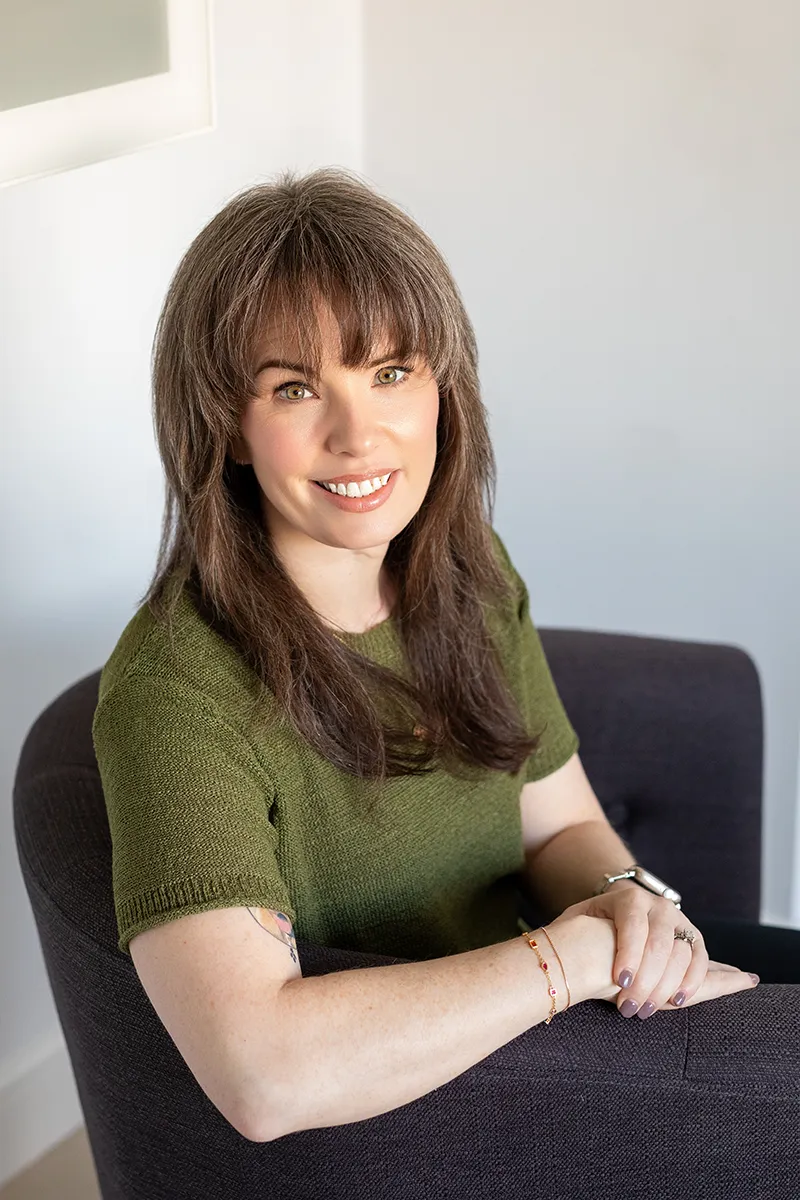
From clinic frustration to a practice that actually listens.
For most of her clinical career, Dr. Kaitlyn Lepore watched the same scene repeat itself. A patient walks in describing real, life-altering symptoms, such as a ringing that won't stop, sounds that feel physically painful, conversations that scramble in noisy rooms. The hearing test runs for ten minutes, the audiogram comes back roughly normal, and the patient is sent home with nothing more than "there's nothing more we can do."
“The line we kept giving people was that the test was clear, so there wasn’t much to do. That was never true. We just weren’t set up to test the right thing or to spend the time treating it.” — Dr. Lepore
Auditory Pathway was built on the understanding that hearing healthcare is about more than devices, and that too many people are living with conditions that can be genuinely improved. It was built to be the practice that appointment should have led to. Because the patients sent home with nothing weren't out of options. They were just in the wrong room.
Au.D
ASHA CCC-A
Irish Academy of Audiology