
Where APD, tinnitus, and sound sensitivity get the time they need.
Dr. Kaitlyn Lepore is a Doctor of Audiology with over a decade of clinical experience across the United States and Ireland. Auditory Pathway is the practice she built once it was clear that there were many people just living with conditions that can be improved and well managed - that hearing healthcare is about more than just devices.
Specialist care. Unhurried sessions. Real evaluations from your living room.
If you've been told the test was "normal," or sent home with nothing, you're not alone. Auditory Pathway is built for the cases most clinics quietly hand back.
Specialist focus.
APD, tinnitus, and sound sensitivity are the whole practice and not a side service added to a general clinic. This is what Dr. Lepore trained for and built her practice around.
Evidence-based.
Central Test Battery APD diagnostics. CBT-based management for tinnitus and sound sensitivity. The methods the research supports.
Time to actually work.
Real time with a real clinician. Evaluations are thorough, plans are built around your life, and the work moves at a pace that allows these conditions to improve.
Telehealth-first, by design.
Evaluations and treatment from your home. No referral, no waiting room, no commute on a bad-noise day. It's how every patient is seen here.

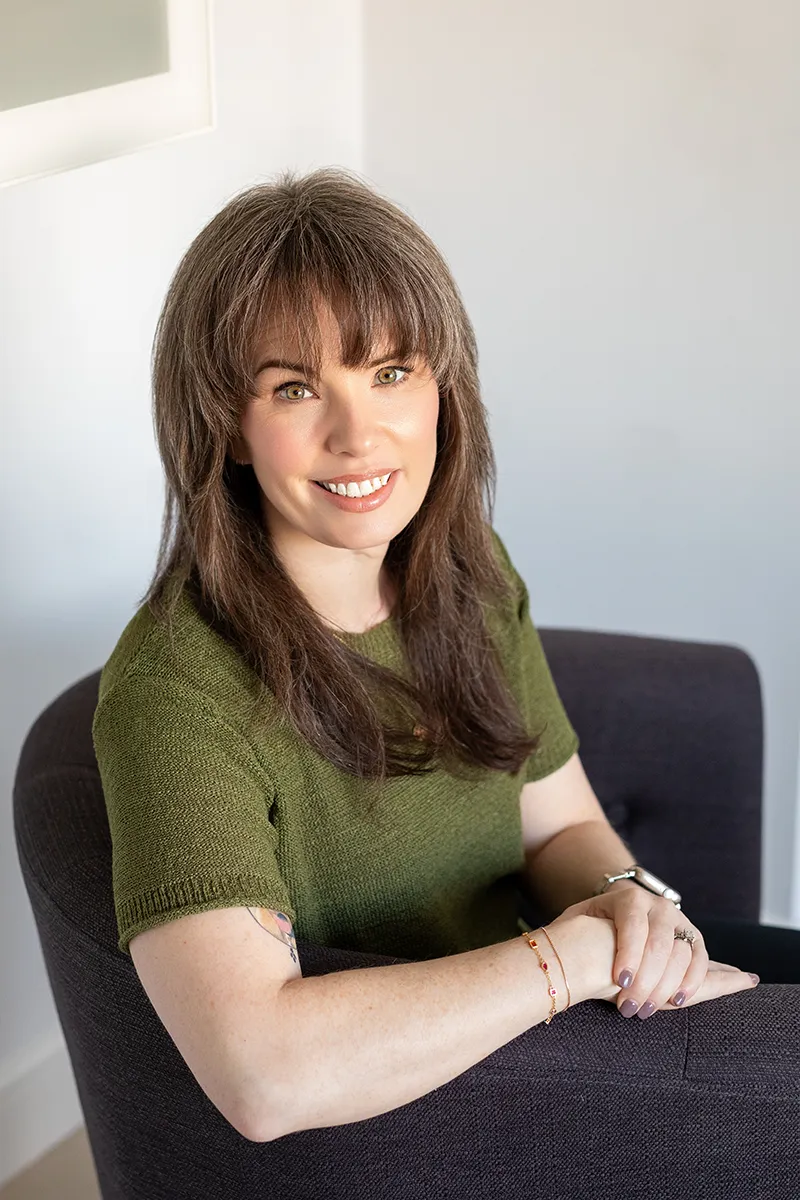
From clinic frustration to a practice that actually listens.
Dr. Kaitlyn Lepore is a Doctor of Audiology with more than ten years of clinical experience across the United States and Ireland. She earned her Doctor of Audiology degree from the University of Oklahoma Health Sciences Center and completed her undergraduate studies at the University at Buffalo, home of the renowned Buffalo Model of auditory processing assessment and intervention. Throughout her career, she has worked across the full scope of audiology, including hearing assessments, hearing aid rehabilitation, ear care, and pediatric and adult services. While she valued every aspect of clinical practice, she found herself increasingly drawn to the patients whose difficulties often fell outside the traditional hearing care pathway.
These were the adults whose hearing tests appeared normal, yet who struggled to follow conversations in everyday life; the tinnitus patients who were told there was little more that could be done; and the individuals living with sound sensitivity who felt dismissed or misunderstood. They were also hearing aid users who continued to struggle despite well-fitted technology, patients with poor speech discrimination who found communication exhausting, and adults considering or using cochlear implants who could maximize their listening abilities through auditory training. Too often, these patients left appointments with answers that failed to explain their experiences or provide meaningful solutions.
Auditory Pathway was created to change that: a practice built on the belief that listening difficulties, auditory processing challenges, tinnitus, sound sensitivity, and speech understanding problems deserve expert assessment, evidence-based care, and a clear path forward. Because hearing well is about far more than what shows up on a hearing test.
Au.D
ASHA CCC-A
Irish Academy of Audiology